🇳🇱 Netherlands
Eye Surgery Clinics in the Netherlands
The Netherlands offers high-quality eye surgery with excellent healthcare standards, short waiting times, and clinics in Amsterdam, Rotterdam, Utrecht, and beyond.
Loading map...
65 clinics
Bergman Clinics arnhem
✓6825 ME Arnhem, Gelderland
Oogkliniek Drechtsteden
✓3353 HG Papendrecht
Xpert Clinics Oogzorg
✓3705 LZ Zeist
Oogkliniek Maastricht (een focuskliniek van Bergman Clinics)
✓6224 EG Maastricht, Limburg
Het Ooglasercentrum
✓7555 DL Hengelo
MST-Eyescan
✓7512 KZ Enschede, Overijssel
Clear Sight Abroad
Prague, Czech Republic
Considering eye surgery abroad? We handle everything — from your first consultation to post-op care. English-speaking team, airport transfers, accommodation assistance, and no hidden fees. Save up to 70% compared to Western Europe.
Zuyderland Eyescan locatie Sittard-Geleen
✓6162 AP Geleen
Bergman Clinics Amersfoort
✓3824 MX Amersfoort, Utrecht
Bergman Clinics
✓8021 EV Zwolle, Overijssel
Spectrum Oogziekenhuis, Arnhem
✓6825 MH Arnhem, Gelderland
Bergman Clinics
✓1311 ZX Almere, Flevoland
Haga Oogheelkunde
✓2545 AA Den Haag, Zuid-Holland
Eyescan Wassenaar
✓2242 AB Wassenaar
Bergman Clinics - Motion Care - Rijswijk
✓2289 CX Rijswijk
Het Oogziekenhuis Rotterdam
✓3011 TG Rotterdam, Zuid-Holland
Universiteitskliniek voor Oogheelkunde Maastricht UMC+
✓6229 HX Maastricht, Limburg
Bergman Clinics
✓1101 CA Amsterdam, Noord-Holland
Bergman Clinics | Ogen | Haarlem
✓2032 EK Haarlem, Noord-Holland
Bergman clinics
✓5231 DC 's-Hertogenbosch
Nederlands Oogheelkundig Gezelschap
✓3528 BL Utrecht, Utrecht
Everything You Need to Know About Eye Surgery in Netherlands
Comprehensive guide covering 65 verified clinics, pricing, procedures, healthcare standards, and practical tips for eye surgery patients.
Why Choose the Netherlands for Eye Surgery?
The Netherlands is renowned for its exceptionally high standard of healthcare, making it an outstanding choice for eye surgery. Dutch medical care consistently ranks among the best in Europe, characterised by a rigorous evidence-based approach, advanced technology, and a healthcare culture that prioritises patient safety and outcomes above all else. The country's ophthalmology sector reflects this excellence, with a number of highly specialised eye clinics and hospitals offering the full range of modern surgical procedures using cutting-edge equipment.
The Dutch approach to eye surgery is distinguished by thorough patient assessment, conservative treatment recommendations, and meticulous surgical technique. Dutch ophthalmologists are known for only recommending surgery when it is genuinely appropriate, and for providing comprehensive informed consent processes that ensure patients fully understand the benefits, risks, and alternatives. This patient-centred approach, while it may seem cautious compared to more commercially driven markets, results in excellent outcomes and high patient satisfaction rates.
The Netherlands offers practical advantages for international patients, particularly those from neighbouring countries. The country is compact and exceptionally well-connected, with Amsterdam's Schiphol Airport serving as one of Europe's major aviation hubs. English is widely spoken — virtually all medical professionals and most of the general population are fluent — eliminating the language barriers that patients might encounter in other countries. The Dutch infrastructure, from transport to accommodation, is efficient and well-organised, making the logistics of a medical trip straightforward.
While the Netherlands is not a budget destination for eye surgery, prices are competitive within the context of northern European healthcare and often comparable to or lower than similar procedures in Germany or the UK. The emphasis is firmly on quality rather than cost, and patients who choose the Netherlands can be confident they are receiving treatment that meets the highest international standards in a country with a deeply ingrained culture of medical excellence and patient rights.
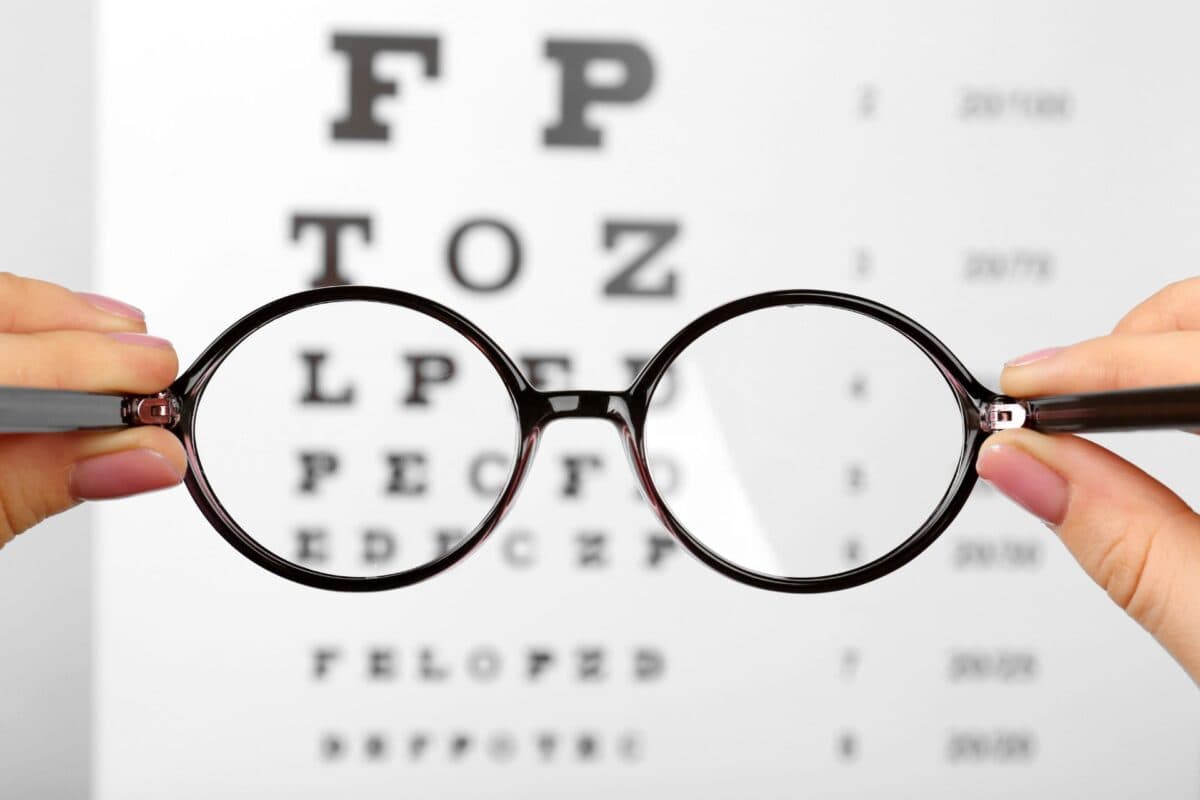
Eye Surgery Costs & Price Comparison
Eye surgery prices in the Netherlands reflect the country's high-quality healthcare system and the advanced technology employed by Dutch clinics. The Netherlands positions itself as a premium destination where the focus is on outcomes rather than low-cost competition. Prices are comparable to Germany and somewhat lower than the UK and Switzerland, while being higher than southern European destinations like Spain or Portugal.
Compared to Germany (LASIK: €2,000 - €4,000) and the UK (LASIK: €2,500 - €5,000), Dutch prices are competitive, particularly at the lower end where efficient, high-volume clinics like Bergman Clinics and Eyescan offer attractive pricing for standard procedures. The upper range covers premium treatments at specialised centres using the most advanced technology. It is worth noting that many Dutch clinics offer transparent, all-inclusive pricing that covers the initial assessment, procedure, and all follow-up appointments, making it easy to compare total costs between providers.
LASIK / SMILE
€1,200 - €3,000 per eye
PRK / TransPRK
€1,000 - €2,500 per eye
Cataract Surgery
€1,500 - €3,500 per eye
Lens Replacement (RLE)
€2,500 - €5,000 per eye
ICL (Implantable Collamer Lens)
€3,000 - €4,500 per eye
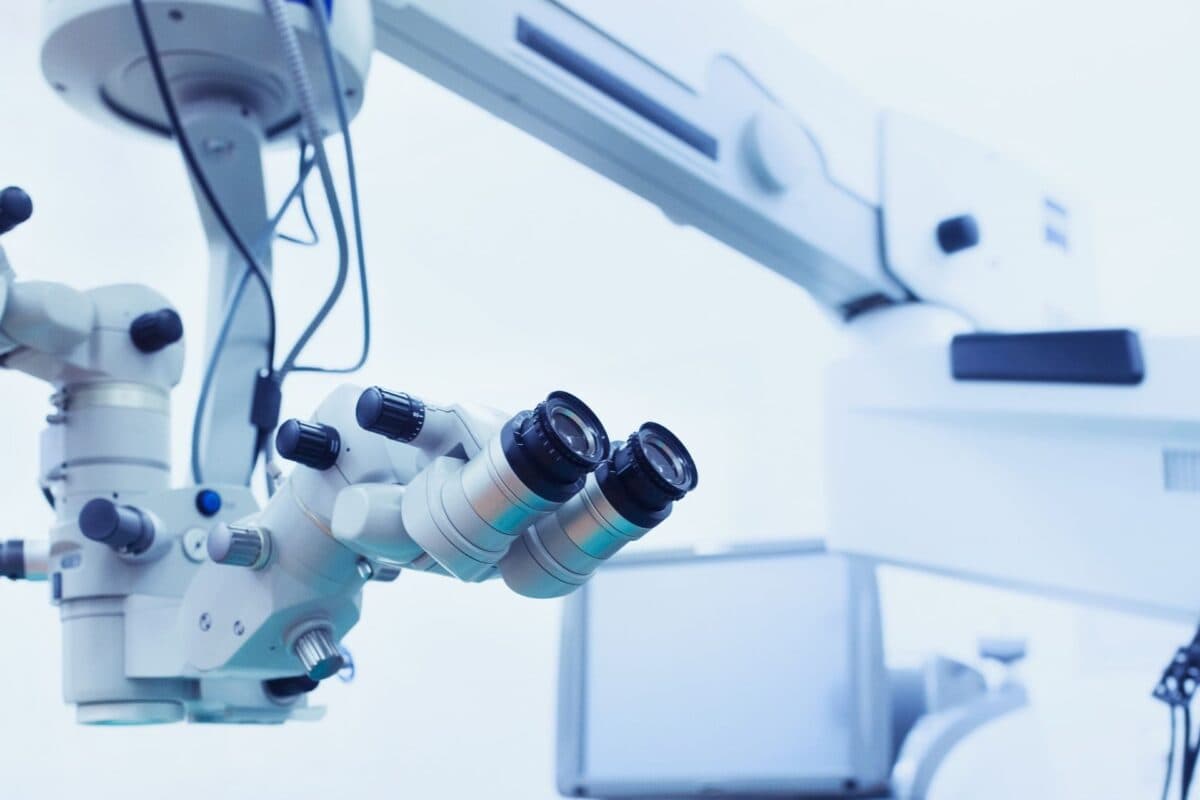
Types of Eye Surgery Available
LASIK (Laser-Assisted In Situ Keratomileusis)
LASIK is the most popular refractive surgery in the Netherlands, widely available at both specialist eye clinics and larger healthcare groups. Dutch clinics exclusively use modern, bladeless femtosecond laser technology for flap creation, combined with the latest excimer lasers for corneal reshaping. The Dutch approach to LASIK emphasises thorough pre-operative screening, with clinics typically applying stricter candidacy criteria than in some other countries, which contributes to the Netherlands' excellent safety record.
SMILE / SMILE Pro
SMILE has been enthusiastically adopted by leading Dutch eye clinics and is now a mainstream alternative to LASIK for myopia and astigmatism correction. The Netherlands was among the early European adopters of SMILE technology, and several Dutch clinics now offer the latest SMILE Pro procedure using the Zeiss VISUMAX 800, which completes treatment in just seconds. Dutch ophthalmologists have contributed to clinical research on SMILE outcomes and continue to refine treatment protocols.
PRK / TransPRK
PRK and TransPRK are well-established in the Dutch refractive surgery landscape, recommended for patients who are not suitable for LASIK due to thin corneas or other contraindications. TransPRK, the touchless surface ablation technique, is particularly popular in the Netherlands, offered at several leading centres. While the recovery period is longer than LASIK, the long-term visual outcomes are equivalent, and the absence of a corneal flap appeals to patients concerned about flap-related complications.
Cataract Surgery
Cataract surgery in the Netherlands is performed to exceptionally high standards, with Dutch surgeons among the most experienced in Europe. The procedure is available through both the public healthcare system (for medically indicated cases) and private clinics. Premium lens options including trifocal, EDOF, and toric IOLs are available at private centres, allowing patients to reduce or eliminate their dependence on glasses. Femtosecond laser-assisted cataract surgery is available at several Dutch hospitals and clinics.
Lens Replacement (Refractive Lens Exchange)
Refractive Lens Exchange is offered at most major Dutch eye surgery centres for patients over 50 who wish to address both distance vision and presbyopia. Dutch ophthalmologists take a characteristically thorough approach to RLE, conducting detailed lifestyle assessments and biometric measurements to ensure optimal lens selection. The procedure benefits from the Netherlands' extensive experience in cataract surgery and lens implantation.
ICL (Implantable Collamer Lens)
ICL surgery is available at specialised centres in the Netherlands, providing an excellent option for patients with high myopia or those who are not candidates for corneal laser procedures. Dutch clinics typically offer the latest EVO Visian ICL models and follow strict implantation protocols. The procedure is particularly valued in the Netherlands for its reversibility and the preservation of corneal tissue.
Top Eye Surgery Clinics & Hospitals
Bergman Clinics
One of the Netherlands' largest and most established eye care providers, Bergman Clinics operates multiple locations across the country. Known for their efficient, high-quality approach to refractive and cataract surgery, Bergman Clinics has treated hundreds of thousands of patients. They use the latest laser platforms and offer competitive pricing, making advanced eye surgery accessible to a broad patient base. Their standardised protocols and experienced surgical teams ensure consistent, excellent outcomes.
Eyescan
A leading Dutch eye clinic chain specialising in laser refractive surgery, Eyescan operates centres in several cities across the Netherlands. The clinic is known for its modern facilities, use of the latest Zeiss and Alcon laser technology, and straightforward patient experience. Eyescan offers transparent pricing and caters to both Dutch and international patients, with staff who are fluent in English and often other European languages.
Rotterdam Eye Hospital (Oogziekenhuis Rotterdam)
The Rotterdam Eye Hospital is one of the most renowned specialist eye hospitals in Europe, with a history spanning over 150 years. As a dedicated ophthalmological institution, it offers unparalleled depth of expertise across all areas of eye surgery, from routine refractive procedures to the most complex surgical interventions. The hospital is also a major centre for ophthalmic research and teaching, attracting some of the Netherlands' finest eye surgeons.
Nationaal Oogcentrum
The National Eye Centre is a specialised ophthalmology clinic offering comprehensive eye care including refractive surgery, cataract surgery, and other procedures. With locations in the Netherlands, the centre is equipped with advanced diagnostic and surgical technology. Their experienced team provides personalised care and thorough patient education, ensuring that patients are fully informed about their treatment options.
Focus Eye Clinic
While headquartered in Belgium, Focus Eye Clinic serves a significant number of Dutch patients from its locations accessible from the Netherlands. The clinic offers a full range of refractive and cataract procedures using the latest technology and is known for its competitive pricing and high patient satisfaction. Their proximity to the Dutch border and multilingual staff make them a popular cross-border option for Dutch patients.
Your Patient Journey: What to Expect
Initial Consultation & Assessment
Your eye surgery journey in the Netherlands begins with a comprehensive pre-operative examination, typically lasting 2 hours or more. Dutch clinics are known for their exceptionally thorough assessments, which include corneal topography and tomography, wavefront aberrometry, OCT scans, Scheimpflug imaging, pachymetry, pupillometry in various light conditions, cycloplegic refraction, tear film analysis, and a dilated fundus examination. This extensive battery of tests reflects the Dutch emphasis on patient safety and ensures that only genuinely suitable candidates proceed to surgery.
Pre-Operative Preparations
After your assessment, if you are deemed a suitable candidate, you will receive detailed pre-operative instructions. Contact lens wearers must stop wearing soft lenses at least 1-2 weeks before the assessment (longer for rigid lenses). You will be prescribed antibiotic and anti-inflammatory eye drops to begin 1-2 days before surgery. Dutch clinics typically provide written information in both Dutch and English, along with a detailed consent form that you will be asked to review carefully before the procedure day. A minimum reflection period between consultation and surgery is standard practice.
The Procedure Day
On your surgery day, arrive at the clinic approximately 30-60 minutes before the scheduled procedure. The surgical team will confirm your identity and procedure details, apply numbing drops, and may offer a mild sedative. The procedure itself is quick — LASIK and SMILE take approximately 10-15 minutes per eye, while cataract surgery takes 15-20 minutes. Dutch surgeons are known for their calm, methodical approach, and the clinical environment is typically efficient and reassuring. After the procedure, you will rest briefly and undergo an initial post-operative check before receiving your protective shields, drops, and aftercare instructions.
Recovery & Aftercare
Recovery timelines are consistent with global standards: LASIK and SMILE patients typically experience improved vision within hours, with most returning to daily activities within 24-48 hours. PRK recovery takes longer, usually 3-7 days. Dutch clinics schedule thorough follow-up appointments, typically the day after surgery, at one week, one month, and three months. The Dutch healthcare culture places great emphasis on aftercare, and clinics provide clear communication channels for patients to report any concerns. International patients will receive comprehensive post-operative care packages and instructions for coordinating with their home country eye care providers.

Healthcare System & Insurance Coverage
The Netherlands has a distinctive healthcare system based on mandatory private health insurance, regulated by the government. Every Dutch resident is required to have a basic health insurance policy (basisverzekering) that covers essential medical care. Standard cataract surgery, when medically indicated, is covered under the basic insurance package, though patients must meet their annual deductible (eigen risico, currently €385) first. Refractive procedures like LASIK and SMILE are classified as elective and are not covered by basic Dutch health insurance.
Some Dutch supplementary insurance policies (aanvullende verzekering) may contribute towards the cost of refractive surgery. Coverage varies by insurer and plan level, with some policies offering reimbursements of €500-€1,000 towards laser eye surgery. It is important to check your supplementary insurance details before scheduling a procedure. Additionally, the cost of eye surgery may be tax-deductible in the Netherlands under the category of specific healthcare expenses (specifieke zorgkosten) if total medical expenses exceed a certain threshold.
For international patients, the Netherlands' position within the EU means that the EU Cross-Border Healthcare Directive applies. EU citizens may be able to claim reimbursement for treatment received in the Netherlands from their home country insurer, though this typically applies to procedures that would have been covered in their home country. Non-EU patients should check whether their private health insurance provides coverage for treatment abroad. Dutch clinics accept various payment methods and provide detailed invoices for insurance and tax purposes.
Quality Standards & Accreditation
The Netherlands maintains exceptionally high quality standards in healthcare, regulated by the Inspectie Gezondheidszorg en Jeugd (IGJ — the Health and Youth Care Inspectorate). All healthcare facilities must be registered and meet rigorous quality criteria, with regular inspections covering clinical protocols, patient safety, equipment standards, and hygiene practices. The Dutch healthcare quality framework is widely considered one of the most robust in Europe, providing strong protections for patients.
Dutch eye surgery clinics are additionally subject to professional oversight from the Nederlands Oogheelkundig Gezelschap (NOG — the Dutch Ophthalmological Society), which sets practice guidelines and quality standards for ophthalmic care. Many clinics hold ZKN (Zelfstandige Klinieken Nederland) certification, which is specific to independent clinic quality in the Netherlands and requires compliance with comprehensive standards covering patient care, safety, and organisational governance. Some clinics also hold ISO certification and international accreditations.
Dutch ophthalmologists undergo extensive training: six years of medical school followed by a five-year specialisation in ophthalmology, during which they gain broad experience across all subspecialties. The training programme is competitive and well-structured, producing highly competent specialists. Many Dutch ophthalmologists pursue additional fellowship training abroad and contribute to international research publications. Continuing medical education is mandatory, ensuring that Dutch eye surgeons remain at the forefront of their field.
Travel & Accommodation Guide
Getting There
The Netherlands is one of Europe's most accessible countries. Amsterdam's Schiphol Airport (AMS) is a major international hub, serving over 300 destinations worldwide with direct flights from virtually every European capital and many intercontinental cities. Rotterdam The Hague Airport (RTM) and Eindhoven Airport (EIN) provide additional options, particularly for budget carriers. The Dutch rail network is among the most efficient in Europe, with Schiphol Airport directly connected to Amsterdam, Rotterdam, The Hague, and Utrecht by frequent, fast trains. High-speed international trains (Thalys, Eurostar, ICE) connect the Netherlands to Belgium, France, Germany, and the UK.
Where to Stay
The Netherlands offers a wide range of accommodation options. In Amsterdam, hotels are available at every price point, from budget-friendly options in the €80-€120 range to luxury hotels along the canal belt. For patients visiting clinics in Rotterdam, the city offers modern hotels at often lower prices than Amsterdam. Utrecht and The Hague also provide good accommodation options near major medical facilities. Short-term apartment rentals are widely available and offer good value for stays of several days, with kitchen facilities that can be convenient during recovery.
Combining Surgery with Travel
The Netherlands' compact size means that the entire country is accessible within two to three hours by train. After your initial recovery period of 1-2 days, you can explore Amsterdam's world-famous museums (Rijksmuseum, Van Gogh Museum, Anne Frank House), Rotterdam's striking modern architecture, the historic city centre of Utrecht, or the charming streets of The Hague and Delft. Dutch cuisine, particularly its cheese, stroopwafels, and Indonesian-influenced dishes, is worth exploring. During recovery, avoid windy cycling routes for the first few days and wear quality UV-protective sunglasses outdoors.


Key Cities for Eye Surgery
Amsterdam
The Dutch capital offers the widest selection of eye surgery providers, from major chains like Bergman Clinics and Eyescan to smaller specialist centres. Amsterdam's excellent international connectivity via Schiphol Airport, its vibrant cultural scene, and extensive English-speaking environment make it the most convenient choice for international patients. The city's compact, walkable centre is easy to navigate during recovery.
Rotterdam
Home to the renowned Rotterdam Eye Hospital (Oogziekenhuis Rotterdam), one of Europe's most prestigious specialist eye hospitals. Rotterdam has been a centre of ophthalmic excellence for over 150 years and offers the full spectrum of eye surgery procedures. The city is easily accessible from Schiphol Airport by train (25 minutes) and offers a more affordable alternative to Amsterdam for accommodation.
Utrecht
Centrally located in the Netherlands, Utrecht hosts several quality eye surgery providers and is home to the UMC Utrecht (University Medical Centre), which has a respected ophthalmology department. The city's central location makes it accessible from anywhere in the Netherlands and is just 25 minutes from Schiphol Airport by train.
The Hague
As the seat of the Dutch government and home to international institutions, The Hague offers several reputable eye surgery clinics. The city has a cosmopolitan atmosphere with a large international community, making it comfortable for foreign patients. The Hague combines urban sophistication with proximity to the North Sea coast.
Frequently Asked Questions
QIs LASIK safe in the Netherlands?
LASIK in the Netherlands is extremely safe, with the country's rigorous healthcare quality system ensuring that all clinics meet exceptionally high standards. Dutch ophthalmologists are among the most thoroughly trained in Europe, and clinics use the latest CE-marked laser platforms from manufacturers like Zeiss, Alcon, and Schwind. The Dutch approach to patient selection is notably conservative — clinics will only proceed with surgery if all assessment criteria are met — which contributes to an excellent safety profile. Serious complications are very rare, occurring in less than 1% of cases.
QHow much does eye surgery cost in the Netherlands?
Eye surgery costs in the Netherlands are positioned in the mid-to-upper range for Western Europe. LASIK and SMILE typically cost between €1,200 and €3,000 per eye, cataract surgery ranges from €1,500 to €3,500 per eye, and ICL surgery costs €3,000 to €4,500 per eye. While not the cheapest in Europe, Dutch prices reflect the country's high quality standards, advanced technology, and comprehensive aftercare. Many clinics offer all-inclusive pricing that covers assessments, the procedure, and all follow-up appointments.
QDo I need a referral for eye surgery?
For private refractive surgery in the Netherlands, you do not need a referral — you can contact any private eye clinic directly. However, for cataract surgery to be covered by Dutch basic health insurance, a referral from your huisarts (general practitioner) or optometrist is typically required. International patients accessing private care can book consultations directly with any clinic. Bringing recent eye examination results from your home country can speed up the assessment process.
QHow long is the recovery time after LASIK?
Recovery after LASIK in the Netherlands follows standard global timelines. Most patients notice significantly improved vision within a few hours, with many achieving near-optimal sight by the next day. Dutch clinics typically schedule a comprehensive follow-up appointment the morning after surgery. Most patients can return to desk work within 24-48 hours, though activities like swimming and contact sports should be avoided for at least two weeks. Full visual stabilisation occurs over 1-3 months. Dutch clinics provide thorough written aftercare instructions and maintain open communication channels for any post-operative concerns.
QCan international patients get eye surgery in the Netherlands?
Yes, the Netherlands is very welcoming to international patients. The country's near-universal English fluency eliminates language barriers, and many clinics have extensive experience treating patients from abroad. EU citizens can access private healthcare freely, while non-EU patients can visit on a Schengen visa. The Netherlands' central location in Europe and Schiphol Airport's extensive flight network make it easily accessible from virtually anywhere. Clinics provide documentation suitable for insurance claims in your home country.
QWhat's the difference between LASIK and SMILE?
LASIK and SMILE are both highly effective laser procedures for correcting myopia and astigmatism. LASIK creates a corneal flap using a femtosecond laser and then reshapes the cornea with an excimer laser, while SMILE uses only a femtosecond laser to create a small lenticule that is extracted through a tiny 2-4mm incision without any flap. SMILE offers potential advantages including less dry eye, smaller wound size, and better preservation of corneal structural integrity. LASIK has advantages in treating hyperopia and offers a slightly wider treatment range. Dutch ophthalmologists will conduct a thorough assessment and recommend the procedure that best suits your individual eye characteristics and lifestyle needs.
QAre results permanent?
The vision correction achieved through LASIK, SMILE, or PRK is permanent — the corneal reshaping does not reverse over time. However, the natural ageing process of the eye continues regardless of surgery. Patients in their mid-40s and beyond will develop presbyopia (age-related difficulty with close-up vision) whether or not they have had laser eye surgery. A small percentage of patients with very high initial prescriptions may experience minor regression over the years. For cataract surgery and lens replacement, the artificial intraocular lens is a permanent implant that does not degrade. Enhancement procedures are available if minor adjustments are needed following the initial treatment.

Ready to Find Your Eye Clinic in Netherlands?
Browse 65 verified clinics, compare prices, and read real patient reviews.
Browse Clinics AboveExplore Clinics in Other Countries
Czech Republic
36 clinics
Austria
59 clinics
United Kingdom
150 clinics
Ireland
24 clinics
United States
839 clinics
Denmark
84 clinics
Germany
387 clinics
Sweden
68 clinics
Norway
50 clinics
Finland
32 clinics
Spain
179 clinics
Portugal
72 clinics
France
233 clinics
Slovakia
57 clinics
Belgium
98 clinics
Switzerland
196 clinics
Estonia
18 clinics
Hungary
51 clinics
Italy
190 clinics
Poland
147 clinics
Slovenia
29 clinics
Croatia
20 clinics
Romania
53 clinics
Bulgaria
19 clinics
Greece
72 clinics
Lithuania
11 clinics
Latvia
9 clinics
Turkey
88 clinics
Serbia
16 clinics
Iceland
2 clinics
Malta
17 clinics
Cyprus
22 clinics
Luxembourg
10 clinics