
🇸🇪 Sweden
Eye Surgery Clinics in Sweden
Sweden offers high-quality eye surgery with Scandinavian precision, advanced technology, and excellent patient care across Stockholm, Gothenburg, Malmö, and beyond.
Loading map...
68 clinics
Aleris Ögon Umeå
✓Umeå, Västerbotten
Lirema Ögonklinik
✓Stockholm, Stockholm
Kungsholmen Optics & Eye Care
✓Stockholm, Stockholm
Memira
✓Göteborg, Västra Götaland
Aveny Ögonklinik AB
✓Kungsportsavenyen 33, Västra Götaland
Aleris Ögon Helsingborg
✓Helsingborg, Skåne
Clear Sight Abroad
Prague, Czech Republic
Considering eye surgery abroad? We handle everything — from your first consultation to post-op care. English-speaking team, airport transfers, accommodation assistance, and no hidden fees. Save up to 70% compared to Western Europe.
Eye Clinic Scandinavia AB
✓Värnamo
Ögonmottagning Högsbo
✓Västra Frölunda, Skåne
Ögonmottagningen Växjö
✓Växjö, Kronoberg
Memira
✓våning 6, Västmanland
Capio Ögon
✓Jönköping, Jönköping
Eye clinic A Lund
✓Lund, Skåne
Memira
✓Uppsala, Uppsala
Optalux odenplan ögonklinik
✓Stockholm, Stockholm
Capio Ögon Linköping
✓Linköping, Östergötland
Ögonmottagning Hagahuset
✓Trekantsgatan 3, Värmland
Ögonmottagning Västerås
✓Västerås, Västmanland
Memira
✓Växjö, Kronoberg
Oculus ögonklinik Växjö
✓Växjö, Kronoberg
Optalmica Ögonklinik Västerås
✓Västerås, Västmanland
Eye Clinics by City in Sweden
Everything You Need to Know About Eye Surgery in Sweden
Comprehensive guide covering 68 verified clinics, pricing, procedures, healthcare standards, and practical tips for eye surgery patients.
Why Choose Sweden for Eye Surgery?
Sweden is globally recognized for its exceptional healthcare system, cutting-edge medical research, and a long tradition of innovation in ophthalmology. Swedish eye surgery clinics consistently deliver world-class outcomes, supported by some of the most advanced laser technology available and surgeons who are trained to the highest European standards. For patients seeking reliable, high-quality vision correction, Sweden represents one of the best choices in Northern Europe.
The Swedish approach to eye surgery reflects the country's broader healthcare philosophy: evidence-based, patient-centered, and driven by continuous improvement. Swedish ophthalmologists are not only clinicians but frequently active researchers, publishing in peer-reviewed journals and participating in international clinical trials. This means patients benefit from the very latest advances in refractive surgery, often before they become widely available elsewhere in Europe.
Sweden's appeal for international patients extends beyond its medical expertise. The country is well-connected internationally, with Stockholm Arlanda, Gothenburg Landvetter, and Malmö's proximity to Copenhagen Airport providing multiple entry points. English is spoken widely and fluently throughout Sweden, eliminating language barriers in clinical settings. The country's reputation for safety, cleanliness, and organizational efficiency provides additional reassurance for patients traveling from abroad.
The Swedish eye surgery market is mature and competitive, with several large clinic chains and independent practices offering a range of procedures. This competition benefits patients through competitive pricing, transparent communication, and a strong emphasis on patient satisfaction. Swedish clinics are also known for their comprehensive approach to patient care, with thorough pre-operative assessments and robust follow-up protocols that ensure optimal outcomes.
Eye Surgery Costs & Price Comparison
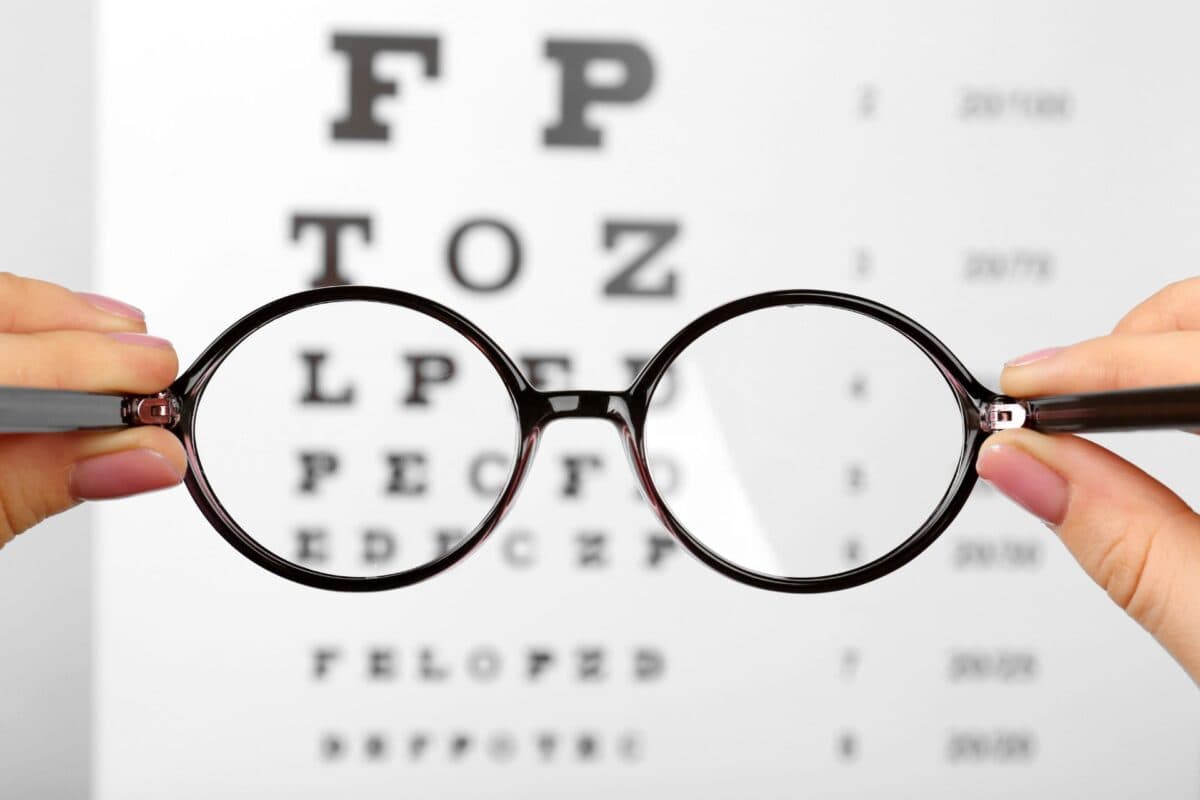
Sweden offers eye surgery at prices that represent good value considering the country's high medical standards and the advanced technology employed. While Swedish prices are generally higher than those in Eastern Europe, they are competitive within the Scandinavian and Western European context. Clinics are transparent about costs, and most provide all-inclusive pricing that covers consultations, the procedure, and follow-up visits.
Compared to Germany and the UK, Swedish prices are often comparable or slightly lower, while offering equivalent or superior technology and expertise. The price difference with lower-cost destinations like Turkey or the Czech Republic is significant, but Swedish patients benefit from EU-standard regulatory oversight, Swedish malpractice protections, and the convenience of operating within one of the world's most efficient healthcare systems. Many Swedish clinics offer financing plans with 0% interest, allowing patients to spread costs over 12-24 months.
LASIK / SMILE
15,000-30,000 SEK (~€1,300-€2,600) per eye
PRK / TransPRK
12,000-25,000 SEK (~€1,050-€2,200) per eye
Cataract Surgery
20,000-40,000 SEK (~€1,750-€3,500) per eye
Lens Replacement (RLE)
30,000-55,000 SEK (~€2,600-€4,800) per eye
ICL (Implantable Collamer Lens)
35,000-60,000 SEK (~€3,050-€5,200) per eye
Types of Eye Surgery Available
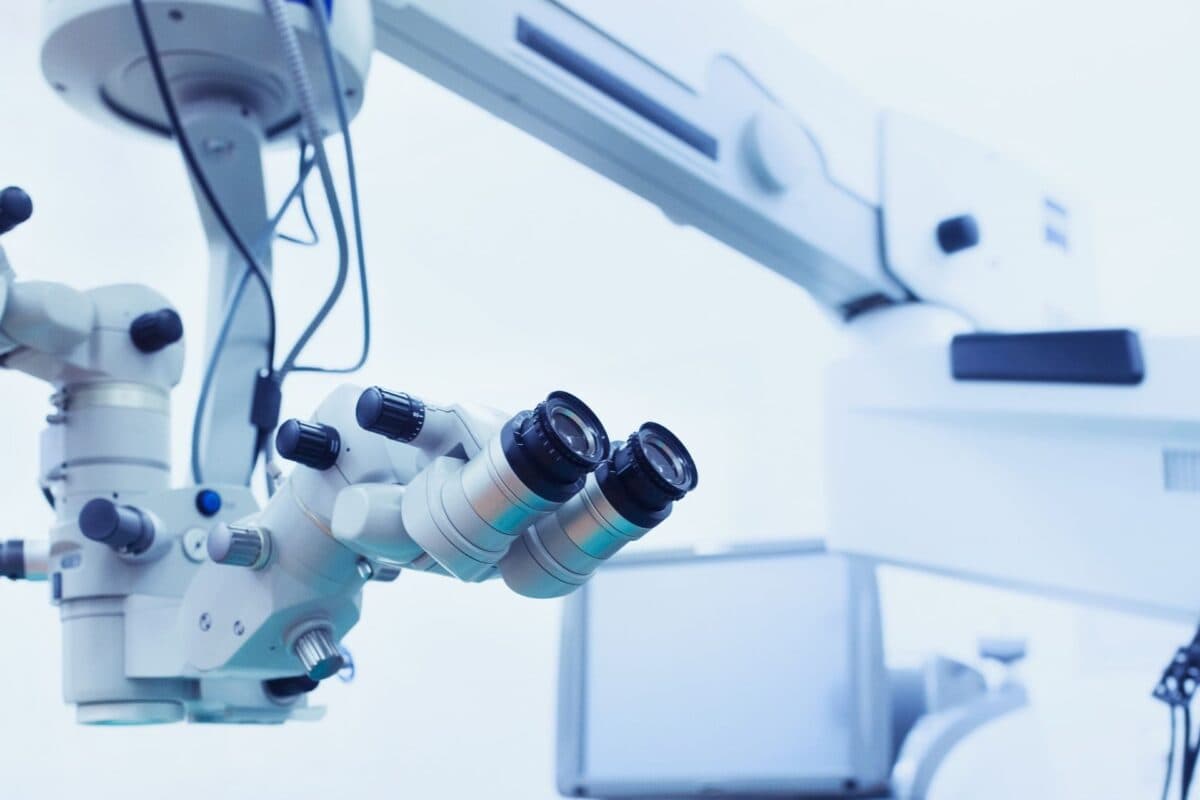
LASIK (Laser-Assisted In Situ Keratomileusis)
LASIK is the most commonly performed refractive procedure in Sweden, with thousands of successful treatments carried out annually. Swedish clinics utilize the latest generation of femtosecond and excimer lasers, incorporating advanced wavefront-guided and topography-guided treatment profiles for customized corrections. Outcomes data from Swedish clinics show that over 95% of patients achieve 20/20 vision or better.
SMILE / SMILE Pro
SMILE has gained significant popularity in Sweden, particularly among active individuals and those concerned about dry eye. Swedish clinics were among the early adopters of SMILE technology in Scandinavia, and several now offer SMILE Pro with its enhanced speed and precision. The procedure's minimally invasive nature appeals to the Swedish preference for modern, low-impact medical solutions.
PRK / TransPRK
PRK remains an important option in Swedish eye surgery, particularly for patients with thinner corneas or those in professions where corneal flap complications would be especially problematic, such as military or contact sports. Swedish clinics offer both traditional PRK and the more advanced TransPRK (no-touch) technique, which eliminates the need for manual epithelial removal and improves patient comfort.
Cataract Surgery
Sweden has a particularly strong tradition in cataract surgery, with Swedish researchers having contributed significantly to the development of modern phacoemulsification techniques and intraocular lens technology. Swedish clinics offer the full range of premium IOL options, including trifocal lenses that provide clear vision at near, intermediate, and far distances. Public hospitals perform cataract surgery under the national health service, while private clinics offer shorter waiting times and premium lens options.
Lens Replacement (Refractive Lens Exchange)
Refractive lens exchange is widely available in Sweden for patients over 45 who are no longer ideal candidates for laser procedures. Swedish surgeons apply the same meticulous techniques used in cataract surgery, with access to the full range of premium multifocal and extended depth-of-focus IOLs. The procedure is particularly popular among patients who wish to eliminate their dependence on reading glasses while also preventing future cataracts.
ICL (Implantable Collamer Lens)
ICL implantation is offered at specialized centers across Sweden for patients with high refractive errors or those unsuitable for corneal laser procedures. Swedish clinics use the latest EVO Visian ICL technology, and surgeons are experienced in both pre-operative sizing calculations and the surgical technique. The reversible nature of ICL appeals to many Swedish patients who appreciate having future flexibility in their vision correction options.
Top Eye Surgery Clinics & Hospitals
Memira
With clinics across Sweden, including Stockholm, Gothenburg, and Malmö, Memira is the largest eye surgery provider in the Nordic region. They perform over 30,000 treatments annually across Scandinavia and invest heavily in the latest laser technology. Their scale enables competitive pricing while maintaining high quality standards and consistent outcomes across all locations.
Capio Ögon
Part of the Capio healthcare group, Capio Ögon operates dedicated eye surgery centers with a focus on cataract and refractive procedures. Their integration with the broader Capio network means patients have access to comprehensive pre- and post-operative care, and their surgeons are supported by a full complement of ophthalmic diagnostics and support staff.
Aleris Ögon
Aleris is a major Scandinavian healthcare provider, and their eye surgery division offers LASIK, SMILE, and lens-based procedures at clinics in Stockholm and other major cities. Known for their patient-centered approach, Aleris Ögon provides detailed consultations and personalized treatment plans, with a strong emphasis on informed consent and realistic expectations.
Bergman Clinics
An international healthcare group with a growing presence in Sweden, Bergman Clinics offers eye surgery with a focus on quality and efficiency. Their clinics feature modern facilities and experienced surgeons, with standardized protocols that ensure consistent outcomes. They are particularly known for their cataract surgery programs with premium IOL options.
Ögonkliniken
This independent eye clinic group has established a strong reputation in Sweden for specialized eye surgery. Their focused approach means they maintain deep expertise in refractive and cataract procedures, with surgeons who have performed thousands of procedures. They are known for their thorough pre-operative screening and honest patient assessments.
Your Patient Journey: What to Expect
Initial Consultation & Assessment
Swedish eye clinics are known for their thorough and unhurried initial consultations, typically lasting 60-90 minutes. The assessment includes comprehensive eye measurements using corneal topography, pachymetry, pupillometry, wavefront analysis, and OCT scanning. Your surgeon will review the results, explain which procedures are suitable for your eyes, and have a detailed discussion about expectations and potential risks. Swedish clinics place strong emphasis on informed consent, ensuring you understand all aspects of the procedure before making a decision.
Pre-Operative Preparations
Preparation instructions will be provided well in advance of your procedure. Soft contact lens wearers should discontinue use at least one week before the pre-operative assessment and procedure, while hard lens users should stop 3-4 weeks beforehand. On the day before surgery, you may be instructed to begin using prescribed antibiotic and lubricating eye drops. Swedish clinics also recommend arranging a companion to accompany you home after the procedure and planning for 1-2 days of rest.
The Procedure Day
Swedish clinics are known for their calm and well-organized procedure environments. You will arrive approximately 30 minutes before your scheduled time, and the team will guide you through final preparations. Numbing drops are applied, and the surgeon will explain each step as the procedure progresses. Most laser treatments take 15-20 minutes for both eyes. After the procedure, you will rest briefly in the clinic while the surgical team performs an initial assessment. You will receive protective eye shields, post-operative eye drops, and detailed written instructions for home care.
Recovery & Aftercare
Swedish clinics provide excellent post-operative support. After LASIK or SMILE, most patients notice dramatically improved vision within hours and can return to desk work within 1-2 days. Follow-up appointments are typically scheduled at 1 day, 1 week, 1 month, and 3 months post-procedure. Swedish clinics are meticulous about monitoring healing and will make any necessary adjustments to your eye drop regimen. For international patients, Swedish clinics can arrange remote follow-up consultations and coordinate with your local eye doctor for continued monitoring.

Healthcare System & Insurance Coverage
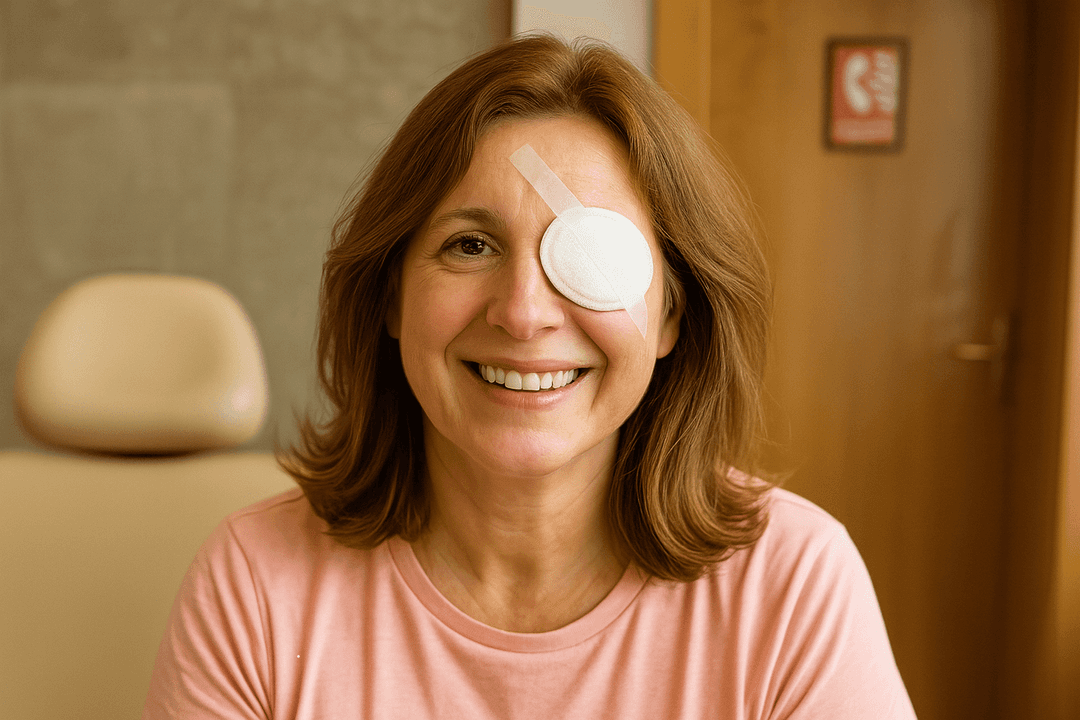
Sweden's healthcare system is publicly funded and provides universal coverage for residents through county councils (regioner). Medically necessary eye procedures, such as cataract surgery, are available through the public system with relatively short waiting times compared to many other countries. Patients in the public system pay a modest patient fee (patientavgift), currently capped at 1,300 SEK per 12-month period for outpatient visits through the high-cost protection system (högkostnadsskydd).
Elective refractive surgery, including LASIK, SMILE, and PRK, is not covered by the public healthcare system and must be paid for privately. However, many Swedes hold supplementary private health insurance through their employers, and some of these policies may contribute toward vision correction procedures. Tax deductions for medical expenses may also apply in certain circumstances, and patients should consult with their tax advisor for specific guidance.
International patients are responsible for the full cost of elective procedures. EU/EEA citizens may be eligible for reimbursement through their home country's health insurance under the EU Cross-Border Healthcare Directive. Non-EU patients should arrange comprehensive travel and medical insurance before traveling to Sweden for treatment.
Quality Standards & Accreditation
Sweden maintains among the highest medical quality standards in the world, overseen by the National Board of Health and Welfare (Socialstyrelsen) and the Health and Social Care Inspectorate (IVO). These agencies ensure that all medical practitioners, including ophthalmologists, meet strict qualification and continuing education requirements. Swedish ophthalmologists complete a rigorous five-year specialist training program after their medical degree, followed by continuous professional development throughout their careers.
Swedish eye clinics are subject to regular inspections by IVO, which assesses compliance with patient safety regulations, hygiene standards, equipment maintenance, and clinical governance. Many leading private clinics also hold ISO 9001 certification, demonstrating their commitment to quality management systems. The Swedish healthcare system's strong culture of transparent reporting means that clinical outcomes data is often publicly available, allowing patients to make informed decisions about their choice of clinic.
Sweden's National Quality Registry for Cataract Surgery (Nationellt Kataraktregister) is one of the world's most comprehensive databases of surgical outcomes, collecting data from virtually every cataract procedure performed in the country. This registry has driven continuous quality improvement and ensures that Swedish cataract surgery outcomes are among the best globally. Similar quality monitoring frameworks are increasingly being applied to refractive surgery procedures.
Travel & Accommodation Guide
Getting There
Stockholm Arlanda Airport is Sweden's largest international airport, with direct connections to most European and many intercontinental destinations. Gothenburg Landvetter Airport and Malmö Sturup Airport provide additional international access points. For patients visiting clinics in Malmö, Copenhagen Airport is just 20 minutes away by train across the Øresund Bridge. Sweden's domestic flight network and efficient rail system (SJ) make inter-city travel straightforward, with high-speed trains connecting Stockholm, Gothenburg, and Malmö in comfort.
Where to Stay
Stockholm offers the widest range of accommodation, from luxury hotels in Östermalm and Norrmalm to budget-friendly options in Södermalm and beyond. For eye surgery patients, staying centrally provides convenient access to clinics and post-operative amenities such as pharmacies and restaurants. Gothenburg's Haga and Linné districts offer charming, walkable neighborhoods with plenty of accommodation options. Many Swedish clinics can recommend partner hotels that offer preferential rates for medical visitors.
Combining Surgery with Travel
Sweden offers a wealth of gentle activities suitable for the recovery period. In Stockholm, a boat tour through the archipelago, a visit to the Vasa Museum, or a stroll through the medieval Old Town (Gamla Stan) are all recovery-friendly pursuits. Gothenburg's botanical gardens and waterfront are perfect for relaxed walks, while Malmö's Turning Torso and Western Harbour area offer modern architectural interest. After the initial recovery, Sweden's stunning natural scenery, historic towns, and world-renowned gastronomy provide ample reasons to extend your stay.


Key Cities for Eye Surgery
Stockholm
Sweden's capital is the primary hub for eye surgery, hosting the largest number of specialized clinics and the country's top university hospitals. Karolinska University Hospital's ophthalmology department is internationally renowned for both clinical care and research. The city's excellent international connectivity, diverse accommodation options, and cultural attractions make it the most popular choice for international eye surgery patients.
Gothenburg
Sweden's second city offers excellent eye surgery facilities, including branches of Memira, Aleris, and other major providers. Gothenburg's slightly lower cost of living compared to Stockholm can mean more affordable accommodation, and the city's relaxed, welcoming atmosphere makes for a pleasant recovery environment. Sahlgrenska University Hospital also provides advanced ophthalmological care.
Malmö
Located in southern Sweden, just minutes from Copenhagen by train, Malmö provides convenient access for patients from continental Europe. The city hosts several quality eye clinics and benefits from its multicultural character, with medical staff often speaking multiple languages. Malmö's compact city center is easy to navigate during recovery.
Uppsala
Home to Sweden's oldest university and a major medical research center, Uppsala offers access to high-quality eye surgery through both Uppsala University Hospital and private clinics. The city's proximity to Stockholm (40 minutes by train) provides a quieter alternative for patients who prefer a smaller-city atmosphere while still having access to top medical expertise.
Frequently Asked Questions
QIs LASIK safe in Sweden?
Yes, LASIK is extremely safe in Sweden. Swedish clinics use the most advanced FDA-approved and CE-marked laser platforms, and all ophthalmologists must complete rigorous specialist training before performing refractive surgery independently. The Swedish healthcare regulatory framework, overseen by IVO, ensures strict compliance with safety standards. Complication rates in Swedish clinics are consistently below 1%, and the country's transparent quality reporting culture means that outcomes data is available for patient review.
QHow much does eye surgery cost in Sweden?
LASIK and SMILE typically cost between 15,000 and 30,000 SEK (€1,300-€2,600) per eye in Sweden. Cataract surgery in private clinics ranges from 20,000 to 40,000 SEK (€1,750-€3,500) per eye. These prices generally include the initial consultation, the procedure, and follow-up appointments. Prices vary based on the technology used, the surgeon's experience, and the specific clinic. Most Swedish clinics provide detailed written quotes and offer interest-free financing options.
QDo I need a referral for eye surgery?
No referral is needed for private eye surgery in Sweden. You can contact any private eye clinic directly to book a consultation. For cataract surgery through the public healthcare system, a referral from your general practitioner or optician is required. International patients can typically initiate contact with Swedish clinics via email or online booking systems and often begin with a preliminary remote assessment.
QHow long is the recovery time after LASIK?
Recovery after LASIK in Sweden is rapid for most patients. Improved vision is typically noticeable within hours of the procedure, and most patients return to work within 1-2 days. You should avoid rubbing your eyes for at least two weeks and stay away from swimming and contact sports for about a month. Swedish clinics provide preservative-free lubricating eye drops to use during the healing period, typically for 1-3 months. Full visual stabilization occurs within 3-6 months, though most patients are satisfied with their vision much sooner.
QCan international patients get eye surgery in Sweden?
Yes, Sweden welcomes international patients for eye surgery. All major Swedish clinics have staff who are fluent in English, and some also offer services in other languages. Clinics experienced with international patients typically provide assistance with appointment coordination, local recommendations, and can arrange follow-up care compatible with your travel schedule. EU/EEA citizens may be eligible for partial reimbursement under European cross-border healthcare regulations.
QWhat's the difference between LASIK and SMILE?
LASIK creates a thin corneal flap using a femtosecond laser, then reshapes the cornea underneath with an excimer laser before replacing the flap. SMILE is a newer technique that removes a small disc of corneal tissue (lenticule) through a tiny 2-4mm incision without creating a flap. SMILE preserves more corneal nerves, typically resulting in less dry eye post-operatively, and maintains greater corneal structural integrity. LASIK can treat myopia, hyperopia, and astigmatism, while SMILE currently treats myopia and astigmatism. Your Swedish surgeon will guide you to the best option based on your individual eye assessment.
QAre results permanent?
The corneal reshaping achieved by LASIK and SMILE is permanent. The vast majority of patients enjoy stable vision correction for decades. However, natural age-related changes to the eye, particularly presbyopia (the need for reading glasses typically beginning in one's mid-40s) and eventual cataract development, are not prevented by refractive surgery. Approximately 5-10% of patients may experience minor prescription changes over many years, for which enhancement procedures are available. Swedish clinics commonly include retreatment guarantees in their treatment packages.

Ready to Find Your Eye Clinic in Sweden?
Browse 68 verified clinics, compare prices, and read real patient reviews.
Browse Clinics AboveExplore Clinics in Other Countries
Czech Republic
36 clinics
Austria
59 clinics
United Kingdom
150 clinics
Ireland
24 clinics
United States
839 clinics
Netherlands
65 clinics
Denmark
84 clinics
Germany
387 clinics
Norway
50 clinics
Finland
32 clinics
Spain
179 clinics
Portugal
72 clinics
France
233 clinics
Slovakia
57 clinics
Belgium
98 clinics
Switzerland
196 clinics
Estonia
18 clinics
Hungary
51 clinics
Italy
190 clinics
Poland
147 clinics
Slovenia
29 clinics
Croatia
20 clinics
Romania
53 clinics
Bulgaria
19 clinics
Greece
72 clinics
Lithuania
11 clinics
Latvia
9 clinics
Turkey
88 clinics
Serbia
16 clinics
Iceland
2 clinics
Malta
17 clinics
Cyprus
22 clinics
Luxembourg
10 clinics